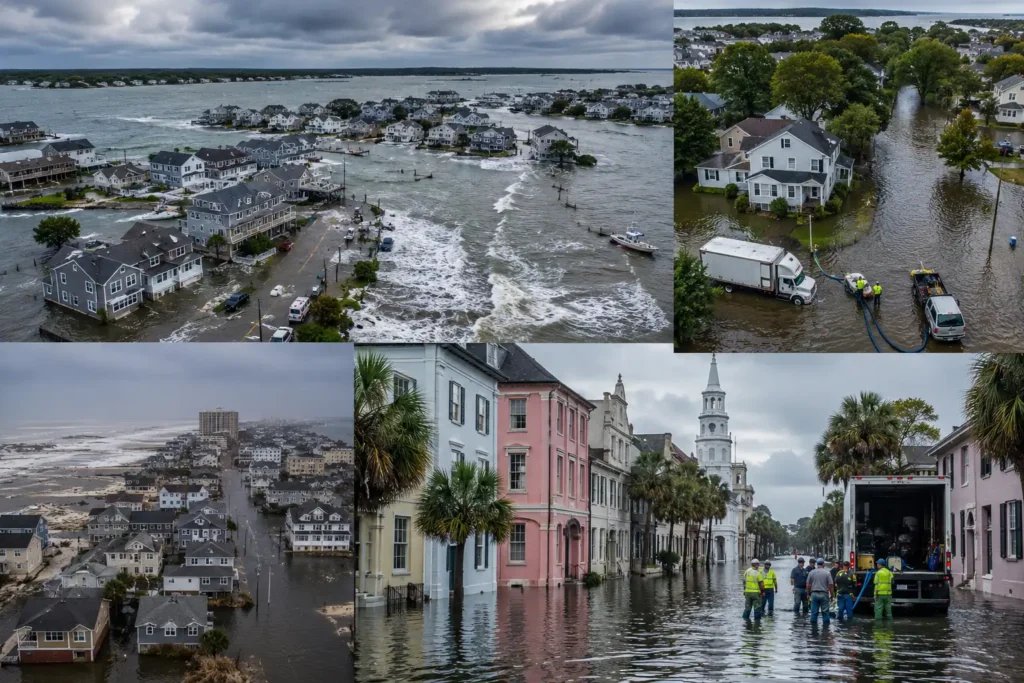
East Coast water damage hotspots continue to face increasing pressure from coastal storms, flooding, rising sea levels, and aging infrastructure. From Long Island and New York City to Virginia and Charleston, homeowners across the region are seeing more frequent water damage events than ever before.
Water damage remains one of the most expensive and disruptive problems homeowners face across the East Coast. Understanding which areas are most vulnerable can help property owners prepare before the next major storm arrives.
Why East Coast Water Damage Hotspots Face Higher Flood Risks
The East Coast experiences a combination of weather patterns that create ideal conditions for flooding.
Several factors contribute to increased water damage risks:
- Tropical storms and hurricanes
- Coastal storm surge
- High tide flooding
- Heavy seasonal rainfall
- Aging drainage systems
- Rapid urban development
- Rising sea levels
Unlike isolated plumbing leaks, these events can impact entire neighborhoods simultaneously, making professional restoration services even more critical.
According to the National Oceanic and Atmospheric Administration (NOAA), coastal flooding events have increased significantly in many East Coast communities over the past decade.
Long Island, New York – Storm Surge and Coastal Flooding
Long Island remains one of the most flood-prone regions in New York. Waterfront communities regularly deal with flooding caused by nor’easters, tropical storms, and seasonal high tides.
Many homes sit close to bays, canals, and coastal waterways, increasing exposure during severe weather events.
Common water damage issues include:
- Flooded basements
- Crawl space moisture
- Foundation seepage
- Storm surge intrusion
- Structural drying challenges
For homeowners dealing with these situations, professional flood damage restoration services become essential to prevent long-term structural issues and mold growth.
Many property owners also rely on educational resources available through the NY Water Damage Restoration Pros blog to better understand regional flooding risks and recovery strategies.
New York City – Urban Flooding Challenges
While coastal flooding remains a concern, New York City faces additional problems related to aging infrastructure.
Heavy rainfall can quickly overwhelm drainage systems, leading to:
- Basement flooding
- Sewer backups
- Water intrusion through foundations
- Commercial property damage
Urban flooding often develops faster than many homeowners expect. Even neighborhoods located miles from the coastline can experience severe water damage after intense rainfall events.
Coastal Virginia – Hurricane and Storm Exposure
Virginia’s coastal communities face many of the same threats seen throughout the Mid-Atlantic region.
Areas near Chesapeake Bay and surrounding waterways often experience:
- Storm surge flooding
- Hurricane-related damage
- High humidity conditions
- Crawl space moisture problems
One challenge unique to this region is the combination of floodwater and prolonged humidity. Even after standing water is removed, excess moisture can remain trapped within building materials for days.
This is why structural drying and moisture monitoring play a major role in successful restoration projects.
Charleston, South Carolina – One of the East Coast’s Most Vulnerable Cities
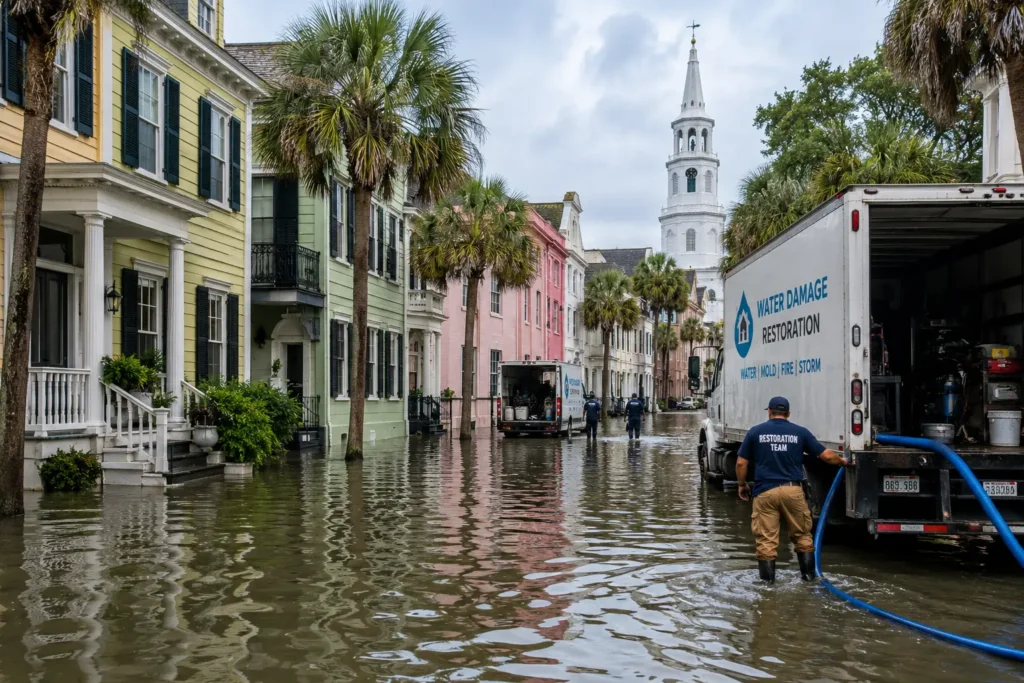
Charleston homeowners often face flooding from storms, high tides, and coastal weather events.
Few cities illustrate East Coast flooding challenges better than Charleston.
Charleston is frequently mentioned among the most vulnerable East Coast water damage hotspots because of its low elevation, tidal flooding, and hurricane exposure.
Located along South Carolina’s Lowcountry, Charleston regularly experiences flooding from hurricanes, king tides, tropical storms, and heavy rainfall. Many neighborhoods sit at low elevations, making them particularly vulnerable to water intrusion.
Homeowners in the area frequently encounter:
- Tidal flooding
- Storm surge damage
- Crawl space flooding
- Contaminated floodwater
- Moisture-related mold growth
Because of these conditions, many homeowners depend on professional flood restoration services Charleston residents trust after severe weather events and coastal flooding. Quick action often makes the difference between manageable repairs and extensive structural damage.
The combination of historic homes, coastal exposure, and high humidity makes Charleston one of the most unique restoration environments on the East Coast.
What These Regions Have in Common
Although each location faces different flooding challenges, several restoration priorities remain the same.
Successful recovery typically includes:
- Immediate water extraction
- Moisture mapping
- Structural drying
- Dehumidification
- Mold prevention
- Documentation for insurance claims
Regardless of location, delaying cleanup can significantly increase repair costs and restoration timelines.
The Federal Emergency Management Agency (FEMA) Flood Resources also recommends documenting damage immediately and avoiding premature re-entry into flood-affected properties.
How Homeowners Can Prepare Before Flooding Happens
Preparation often reduces both financial loss and recovery time. Homeowners who understand the value of professional emergency water cleanup services before a disaster occurs are often able to respond more quickly when flooding strikes.
Consider the following steps:
- Review insurance coverage annually
- Inspect gutters and drainage systems
- Seal foundation cracks
- Maintain sump pumps
- Store important documents safely
- Create an emergency response plan
These simple actions can significantly reduce the impact of future flooding events.
Choosing the Right Restoration Team
Not every restoration company has experience handling large-scale flood events.
When evaluating providers, homeowners should look for:
- IICRC certification
- 24/7 emergency response
- Moisture monitoring equipment
- Insurance claim documentation support
- Regional flooding experience
A qualified restoration company should have the equipment, training, and experience needed to handle flood-related damage effectively. Working with experienced water damage restoration experts can help ensure a smoother recovery process.
Protecting Your Home Starts with Preparedness
Flooding remains one of the most common causes of property damage across the East Coast. Communities from Long Island and New York City to Virginia and Charleston continue to face growing risks from coastal storms, heavy rainfall, aging infrastructure, and recurring flood events.
Understanding the challenges faced by East Coast water damage hotspots can help homeowners prepare for future flooding events and reduce long-term property damage. Homeowners who understand their local flood risks, maintain a proactive preparedness plan, and act quickly after water intrusion are often able to minimize structural damage and avoid costly repairs.
If your property has been affected by flooding, storm damage, or unexpected water intrusion, professional assistance can make all the difference. For immediate support in the Long Island area, call (844) 711-1304 to connect with an experienced restoration team and begin the recovery process as quickly as possible.
Need Immediate Flood Damage Help?
Flood damage can spread quickly and create long-term structural issues if left untreated. Whether you’re dealing with storm flooding, coastal water intrusion, or a flooded basement, acting fast can significantly reduce repair costs and recovery time. If you need professional assistance in the Long Island area, call (844) 711-1304 for a rapid response and expert restoration support.
Leave a Reply