Every year, thousands of New Yorkers trade snow shovels for flip-flops and head south to Florida. Lower taxes, warmer winters, and a slower pace of life make the move easy to understand. But if you’re coming from New York, there’s one part of homeownership that works very differently in Florida: water.
New York homeowners deal with frozen pipes, spring thaw flooding, and the occasional nor’easter. Florida homeowners deal with hurricane season, storm surge, sinking water tables, and humidity levels that New York basements never have to face. If you’re house-hunting in Florida, understanding these risks before you sign anything can save you from an expensive surprise in your first year.
Hurricane Season Isn’t a New York Concept
In New York, severe weather is seasonal and somewhat predictable: snow in winter, the occasional summer thunderstorm. Florida runs on a completely different calendar. Hurricane season officially runs from June 1 through November 30, and it touches nearly every part of the state, not just the coastline.
If you’re relocating, this means:
- Insurance works differently. Florida homeowners’ insurance often requires separate windstorm and flood policies, neither of which is standard issue the way a basic homeowners policy is in New York.
- Building codes are stricter for a reason. Florida’s hurricane-resistant building codes (especially post-Andrew and post-Irma) affect everything from roof straps to impact windows. Older homes may not meet current code, which matters both for safety and for insurance premiums.
- Evacuation zones are a real factor in home value. A home a few miles inland can have a meaningfully different insurance cost and resale value than one near the coast, even within the same town.
If you’re researching which areas have historically been hit hardest, our [guide to hurricane preparedness for new Florida homeowners] is a good starting point before you make an offer.
Flood Risk Doesn’t Wait for a Hurricane
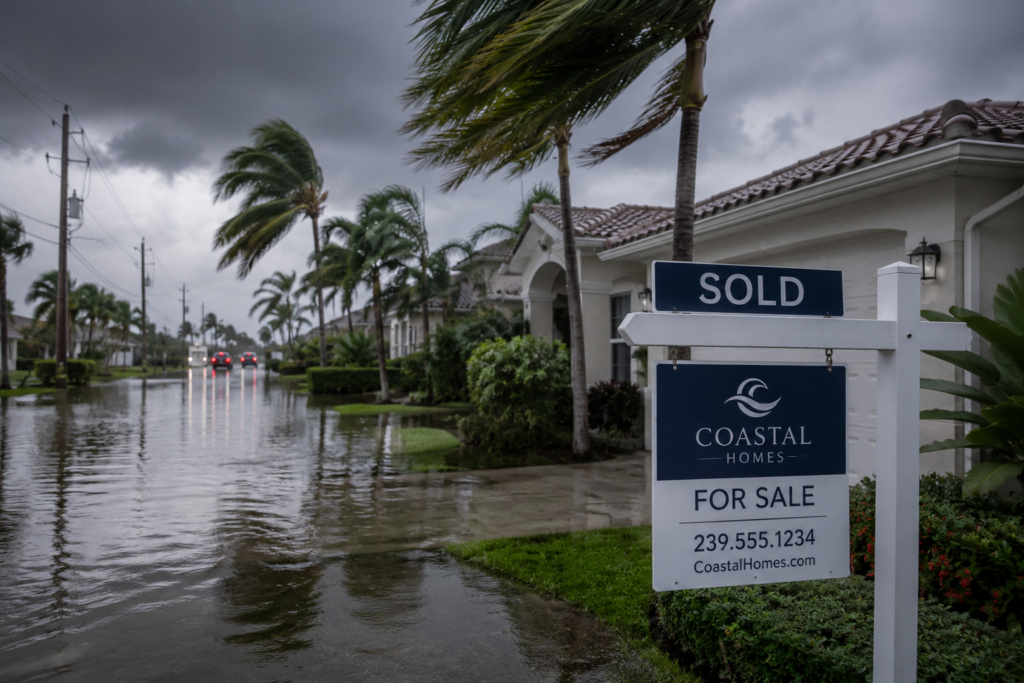
Here’s something that surprises a lot of transplants: you don’t need a hurricane to get water damage in Florida. Florida’s flat terrain, high water table, and intense seasonal rain mean flooding can happen from:
- Afternoon thunderstorms in summer, which can dump several inches of rain in under an hour
- King tides and seasonal high water, especially in coastal and low-lying communities
- Storm surge, which can push seawater inland well beyond what most New Yorkers would consider a “flood zone”
- Groundwater intrusion, since much of Florida sits just a few feet above the water table – something New York’s hillier, better-drained terrain rarely deals with
This is very different from New York flooding, which is usually tied to specific storm events or river overflow. In Florida, the ground itself can work against you. Before buying, it’s worth pulling the FEMA flood zone designation for any property you’re considering, not just the hurricane evacuation zone. They’re not the same thing, and a home can carry serious flood risk while sitting outside an evacuation zone entirely.
What to Check Before You Buy
If you’re used to a New York home inspection, expect a Florida one to dig into different details. Ask about, or have inspected specifically:
- Roof age and wind rating. Florida insurers increasingly require roofs under a certain age, or premiums (and sometimes eligibility) take a hit.
- Elevation certificate. This document tells you the home’s elevation relative to the base flood elevation — critical for flood insurance cost and actual risk.
- Sump pumps and French drains. Common in New York basements, far less standard in Florida, where most homes don’t have basements at all (high water tables make basements impractical in much of the state).
- Past water damage or mold remediation history. Florida’s humidity makes mold a much bigger ongoing concern than it typically is in New York. Ask for any prior remediation records.
- Window and door impact ratings. This affects both storm protection and insurance pricing.
Our [home inspection checklist for Florida buyers] walks through this in more detail if you want a printable version to bring to a showing.
Insurance: The Biggest Culture Shock
This is the area that catches most New York transplants off guard. In New York, a standard homeowners policy typically covers wind and most weather events, with flood insurance as a separate (and often optional) add-on for properties near water.
In much of Florida, you may need:
- A standard homeowners policy
- A separate windstorm/hurricane policy or rider
- Flood insurance through the National Flood Insurance Program (NFIP) or a private carrier, which is often required by lenders even outside designated flood zones
- Some coastal areas require additional surplus-lines coverage if standard carriers won’t write a policy at all
Premiums in flood-prone or coastal counties can be significantly higher than what New York buyers are used to budgeting for, so it’s worth getting insurance quotes during your home search, not after you’ve already made an offer. A property that looks affordable on paper can become a lot less attractive once insurance costs are factored in.
For specifics on what’s required in your target county, see our [Florida flood insurance requirements by county] breakdown.
What Happens If You Do Get Water Damage
Even with the best preparation, water damage is simply more common in Florida than in New York, given the humidity, storm frequency, and flat terrain. Knowing what to do – and who to call – before it happens matters more here than it typically does up north.
If you end up settling in the Port St. Lucie area specifically, it’s worth bookmarking a local restoration company now, before you need one. Port St Lucie FL Water Damage handles water extraction, structural drying, and mold prevention for homeowners across the area – the kind of resource that’s genuinely useful to have on hand during hurricane season rather than searching for in a panic after a storm.
Final Thoughts
Moving from New York to Florida is exciting, but the two states ask different things of homeowners when it comes to water. New York’s risks are seasonal and often manageable with the right insulation and drainage. Florida’s risks are tied to geography itself -flat land, high water tables, and a six-month hurricane season that touches the whole state, not just the coast.
Before you buy, get a real flood zone and elevation reading on any property you’re serious about, budget for Florida-specific insurance costs upfront, and have a restoration contact in mind before you ever need one. A little homework now can prevent a very expensive lesson later.
If you’re still in the research phase, our [complete relocation guide for New York buyers moving to Florida] covers the rest of the move – from school districts to property tax differences – so water risk isn’t the only thing you’re prepared for.
Leave a Reply