Most people’s first instinct when they notice a leak or find water where it shouldn’t be is to grab some towels, soak it up, and figure out the rest later. Life is busy. Maybe it looks minor. Maybe the ceiling stopped dripping. Maybe you’re hoping it just dries on its own.
It usually doesn’t.
We’ve been helping Long Island property owners recover from water damage long enough to know that the calls we worry about most aren’t the ones that come in immediately after a pipe bursts. Those homeowners know they have a problem. The more challenging situations are the ones where someone waited several days because the puddle in the basement “didn’t seem that bad.” By the time restoration begins, mold may already be developing and structural materials may already be compromised.
This article explains what actually happens when water sits inside a home or business and why the first 24 hours are so important.
The First Few Hours: It Seems Like a Small Problem
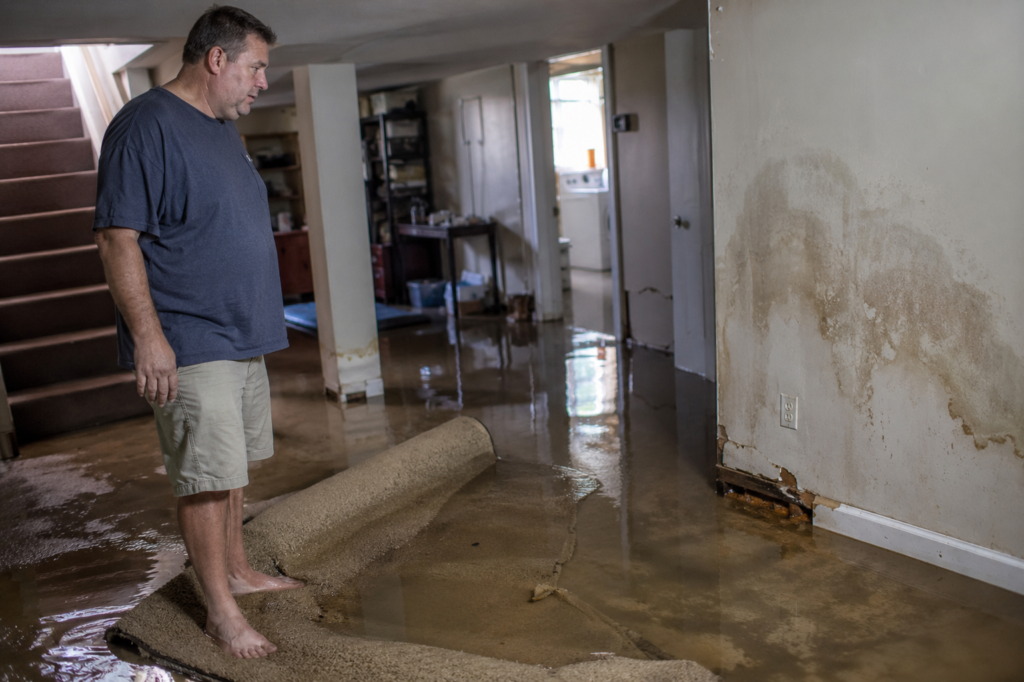
When water enters a property—whether from a burst pipe, appliance leak, roof leak, overflowing sink, or storm intrusion-it begins spreading almost immediately.
Water follows the path of least resistance. It moves beneath flooring, travels along baseboards, seeps into drywall, and finds its way into hidden spaces where damage can continue unnoticed.
During the first few hours, most of the water is still accessible. This is when professional water damage restoration services can have the greatest impact. Moisture has not yet fully penetrated structural materials, and the risk of long-term damage is significantly lower.
Unfortunately, many homeowners spend this critical period mopping up visible water while hidden moisture continues spreading behind walls and beneath floors.
Hours 2 Through 8: Hidden Damage Begins
What you can see is only part of the problem.
Drywall absorbs water quickly. Moisture can travel upward through drywall via capillary action, often extending several inches above the visible water line. Even after surfaces appear dry, moisture may remain trapped inside the wall.
Hardwood flooring also begins absorbing moisture. As boards expand unevenly, the edges may rise and create a cupped appearance. When addressed quickly, many hardwood floors can be restored. If moisture remains for too long, permanent warping and replacement may become necessary.
Insulation can be affected as well. Once insulation becomes saturated, it may retain moisture for extended periods, creating conditions that support mold growth and reducing its effectiveness.
This is why immediate water extraction is often the most important step in preventing secondary damage and reducing the amount of moisture that can spread throughout the structure.
The 24-Hour Mark: Mold Becomes a Serious Concern
The first 24 to 48 hours represent one of the most important timelines in water damage restoration.
Under the right conditions-moisture, warmth, limited airflow, and organic building materials-mold can begin developing surprisingly quickly. According to the Environmental Protection Agency (EPA), mold growth can begin within 24 to 48 hours after water exposure when conditions are favorable.
You may not see mold immediately. In many cases, it develops behind walls, beneath flooring, or inside ceiling cavities long before visible signs appear. By the time a musty odor or discoloration becomes noticeable, the contamination may already be widespread.
We’ve encountered situations where a small hidden leak behind a bathroom vanity went unnoticed for weeks. From the outside, everything looked normal. Once the wall was opened, however, significant mold growth and moisture damage were discovered.
When contamination is present, professional mold remediation may be necessary to restore a safe indoor environment and prevent further spread.
Why Delaying Restoration Can Cost Thousands
There’s often a significant difference between addressing water damage immediately and waiting several days.
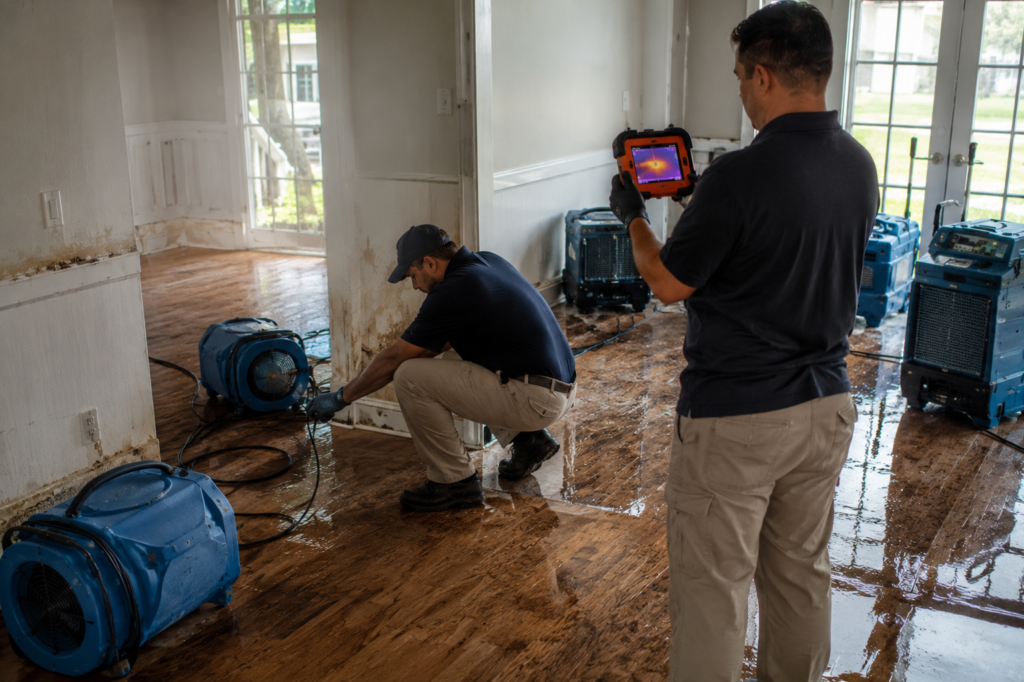
Professional restoration equipment is designed to remove moisture before it causes permanent damage. Industrial extractors, commercial-grade dehumidifiers, air movers, moisture meters, and thermal imaging technology allow restoration professionals to identify and remove hidden moisture from affected materials.
The longer water remains trapped inside a structure, the greater the chance of damaged flooring, deteriorated drywall, compromised insulation, mold growth, and costly reconstruction.
Fast flood damage cleanup can significantly reduce repair costs, shorten restoration timelines, and improve the chances of saving affected building materials.
In many cases, the difference between a relatively straightforward drying project and a major restoration project comes down to timing.
Coastal Areas Face Additional Challenges
Humidity can accelerate water damage problems.
Long Island properties already experience elevated humidity levels during much of the year, especially in communities located near the shoreline. Higher humidity slows the drying process and creates more favorable conditions for mold development.
We’ve also spoken with restoration professionals in other coastal regions facing similar challenges. For example, property owners along Alabama’s Gulf Coast regularly deal with high humidity, severe storms, and moisture-related property damage. The specialists at Mobile AL Water Damage Restoration have reported many of the same patterns we see on Long Island: properties that receive immediate attention generally experience less damage, lower restoration costs, and faster recovery times than those where cleanup is delayed.
Common Questions Homeowners Ask
Can’t I Just Run Fans and Space Heaters?
Household fans can help circulate air, but they typically do not remove moisture trapped inside walls, flooring systems, and structural materials.
Professional drying equipment is specifically designed to reduce moisture levels within affected materials. The difference often determines whether materials can be restored or must be replaced.
If Insurance Covers It, Does It Matter If I Wait?
Yes.
Many insurance policies require homeowners to take reasonable steps to prevent additional damage after a loss occurs. Delaying mitigation can sometimes affect coverage for secondary damage that develops after the initial incident.
Prompt action helps protect both your property and your insurance claim.
How Do I Know If Everything Is Actually Dry?
Surface dryness can be misleading.
Materials often feel dry to the touch while still retaining elevated internal moisture levels. Professional moisture detection equipment is used to verify that affected materials have reached acceptable drying standards before restoration work is considered complete.
What To Do Immediately After Discovering Water Damage
- Stop the source of water if it can be done safely.
- Shut off the water supply if a plumbing issue is involved.
- Take photos and videos of the damage for insurance purposes.
- Move valuables and important belongings away from affected areas.
- Contact a professional water damage restoration company as soon as possible.
- Avoid assuming the area is dry simply because surfaces appear dry.
- Schedule a professional moisture inspection immediately.
Need Water Damage Restoration on Long Island?
If you’re dealing with water damage in Nassau County or Suffolk County, don’t wait. The first 24 hours are critical when it comes to preventing mold growth, minimizing structural damage, and reducing restoration costs.
NY Water Damage Restoration Pros provides 24/7 emergency water extraction, structural drying, flood cleanup, mold prevention, and complete water damage restoration services throughout Long Island.
Call (844) 711-1304 today for immediate assistance and professional restoration services. Fast action now can help protect your property, reduce repair costs, and prevent much larger problems later.
Leave a Reply